


Excavation for Hardscapes: When You Need Machines (and Permits)
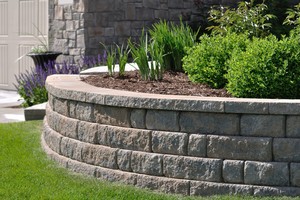
Planning a new patio, walkway, or retaining wall is exciting, but the part you cannot see matters most: excavation. If you want hardscapes that last through Fayetteville’s sandy soils, summer downpours, and freeze-thaw cycles, start with a solid excavation plan. For design and build help, explore our hardscapes in Fayetteville, NC to see what’s possible with a professional crew.
What Excavation Means For Your Hardscape
Excavation is more than digging a hole. It sets the depth, slope, and bearing strength for pavers, stone steps, or walls so they shed water and resist settling. In neighborhoods like Haymount or around Fort Liberty, soils can shift from loose sand to stubborn clay in the same yard. That mix affects how deep we remove material, how we compact the base, and the kind of drainage layer we install.
Good excavation prevents a beautiful patio from becoming a wavy, puddled surface a year later. It is the difference between a weekend-ready space and one that needs constant fixes.
When You Need Machines Instead Of Shovels
Some sites are simple, but many Fayetteville properties demand machinery. Tight backyards off Raeford Road may still require compact equipment to reach proper depth without tearing up the whole lawn. Sloped lots near Eastover or areas with high groundwater often call for specialized tools and careful staging.
- Mini excavator: precise digging for patios, walkways, and small retaining walls.
- Skid steer with bucket or grapple: moving base stone, removing spoils, and fine grading.
- Plate compactor and jumping jack: compacting subgrade and base lifts for long-term stability.
- Laser level: setting consistent slopes so water flows away from your home.
Heavy equipment also keeps timelines predictable. The faster we open and close a site, the less chance a pop-up storm can saturate subgrade or wash out base layers.
Call-Before-You-Dig: Utility Locates Come First
Utility lines do not run in straight textbook lines. They curve around driveways, trees, and additions, and they are not always where you expect. Always use call-before-you-dig utility locating before excavation begins. This protects gas, electric, water, sewer, and fiber lines and keeps your project moving without costly emergencies.
If you are comparing options or just starting research, many homeowners searching for hardscape excavation in Fayetteville, NC are surprised how often utility relocations shape the final design. A quick locate early can save days of redesign later.
Soil Haul-Off: Where All That Dirt Goes
Excavation creates a lot of soil, and not all of it can be reused. Sandy topsoil, clay lenses, and root-laden spoils need different handling. Responsible soil haul-off keeps your driveway clean, avoids tracking onto neighborhood streets, and prevents stockpiles from washing into storm drains.
We plan disposal routes, cover loads when needed, and separate clean fill from organics. That keeps your site organized and reduces trips. Never assume spoils can “disappear” into low spots on your lot without a plan. Unmanaged dumping can block drainage and invite erosion.
Erosion Controls That Protect Your Yard
Fayetteville storms can turn a neat excavation into a muddy mess overnight. Simple controls protect your investment and your neighbors:
- Silt fence or wattles to keep disturbed soil from washing off-site.
- Inlet protection over nearby storm grates to catch sediment.
- Staged backfilling so open trenches are closed before forecasted rain.
- Stabilized construction entrances to limit tracking onto the street.
Never start excavation without a plan for erosion controls and runoff. It is cleaner for your home and kinder to local waterways.
Do You Need A Permit For Hardscape Excavation?
Permit needs depend on scope and location. Larger grading changes, utility connections, and certain retaining wall heights can trigger reviews. Requirements can vary by property, neighborhood, and planned features. We help you coordinate with the appropriate authorities so your project stays compliant from day one.
When in doubt, have a pro check your design against local requirements before you schedule excavation. It is the fastest way to avoid mid-project delays.
Base, Drainage, And Compaction: The Non‑Negotiables
In Fayetteville, a stable patio or wall usually comes down to three things: base depth, drainage, and compaction. We remove loose or organic soils, compact the subgrade in lifts, and build a well-graded aggregate base. Drainage layers and edge restraints finish the system so it sheds water and resists movement.
On sloped sites, retaining walls often need drainage stone behind the wall and a path for water to escape. In flatter yards, we set subtle slopes so stormwater moves away from foundations and onto safe, vegetated areas.
How Site Conditions Shape The Plan
Every yard is different. Here are common local factors that change excavation strategy:
Sandy soils near the Cape Fear River basin. Easy to dig, but they need careful compaction and edge restraint so pavers do not migrate.
Clay pockets around Eastover and Godwin. These hold water. We often adjust base thickness and add drainage stone so the system stays dry and stable.
Tree roots in older neighborhoods like Haymount. We dig with care and design around critical root zones to keep mature trees healthy.
“Call-Before-You-Dig” Meets Design: Sequencing The Work
Excavation success hinges on timing. Utility locates, equipment staging, and material delivery should line up with weather windows. A clear sequence keeps your yard livable throughout construction and helps crews finish cleanly.
When you are comparing options, review how a contractor handles locates, erosion controls, and soil haul-off in writing. You can also skim a perspective from our regional neighbors by reading this short article on getting expert service for nearby Eastover projects: Eastover hardscapes & patios – getting expert service.
Why Professional Excavation Pays Off
A reliable crew brings training, insurance, and the right machines to protect your home and timeline. It also brings accountability. If weather shifts or soil surprises pop up, pros adjust the plan instead of cutting corners. That means your patio drains correctly, your steps feel solid underfoot, and your wall stays straight in August heat and January frost.
If your project includes grading beyond the patio footprint or ties into drainage, you may benefit from a team that handles both. See how grading support connects to hardscape stability here: grading and excavation.
A Simple Pre‑Excavation Checklist
Use this quick list to set your project up for success:
- Confirm call-before-you-dig utility locates are complete and visible on-site.
- Walk the layout with your project manager and mark access paths for equipment.
- Stage erosion controls and a plan for covering open areas if rain is forecast.
- Decide where materials and spoils will be placed and how soil haul-off will be handled.
- Agree on daily start/stop times to reduce noise and protect landscaping.
Ready To Build A Hardscape That Lasts?
If you are picturing a paver patio for backyard cookouts or a clean walkway to your front door, start with excavation done right. Browse ideas and see what fits your style on our page for custom patios and hardscapes, then let our team design the base and drainage to match your soil and slope.
When you want a single team to handle design, excavation, drainage, and finishes, we are ready to help. Call us to talk through your yard and timing, or explore more on hardscapes in Fayetteville, NC and how we build them to last.