


French Drain vs. Catch Basin: Which Fix Works Best in Fayetteville Yards?
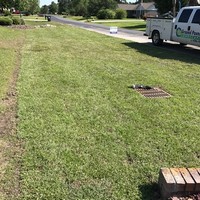
Heavy summer storms and clay-heavy soils can turn parts of Fayetteville into puddles fast. If you are deciding between a French drain and a catch basin, here is a clear way to choose what actually solves standing water on your lot. Our team designs and installs dependable drainage systems in Fayetteville that match your yard’s slope, soil, and runoff patterns, not guesswork.
From Haymount and Baywood to Jack Britt and College Lakes, yards here face a mix of flat sections, mature trees, and sudden downpours. That is why the question is not “Which product is best in general?” It is “Which system moves your water to a safe place without clogging or backing up?”
French Drain vs Catch Basin: The Real Difference in Fayetteville
A French drain moves groundwater and soaked-in surface water through a gravel-wrapped, perforated pipe below grade. It relieves soggy turf, saturated planting beds, and constant mushy spots by giving water an easy path to exit the area. A catch basin is a grated box that collects surface water at a low spot, then carries it away through solid pipe to a safe discharge point. In short, one relieves water within the soil, and the other captures water flowing over the soil.
Because many Fayetteville lots combine flat lawn with short slopes, the right answer can be one solution or a blended design. The most reliable plan starts with how your site drains today, not just where the puddle shows up after a storm.
How We Match the Right Drainage System to Your Yard
At Ground Pounders Landscaping, Inc, we begin with a site walk during dry and wet periods when possible, then map the water’s path from roof to ground to outfall. We look for low spots, hardpan clay layers, downspout outlets, and any mulched beds that shed water toward the home. Our goal is simple: move water away from structures and high-use areas and let your lawn dry out faster.
- Persistent soggy soil or seepage after storms points to a French drain along the problem run.
- Fast sheet flow across a driveway, patio, or swale often signals a catch basin near the low point.
- Downspout surges may need solid pipe tie-ins plus a small basin where water collects.
- Steep transitions or eroding slopes can benefit from drainage paired with retaining walls in targeted spots.
Where Each Fix Shines in Fayetteville, NC
French drains excel in lawns that stay squishy after the storm has passed. We commonly place them beside long fence lines, under turf where clay holds moisture, and along the inside edge of beds that stay wet. The trench depth and outlet are set so the system can drain by gravity to a safe area.
Catch basins shine when water races to a low point. That is common near driveways, walkways, and the low side of a backyard pad. A correctly sized grate and basin collect runoff quickly and send it through solid pipe to a daylight outlet or other approved discharge area on your property.
Choose French drain for soak-in problems; choose catch basin for fast-moving surface water. In many Fayetteville yards, the most dependable plan is a small basin at the low spot feeding a run of solid pipe, with a short section of French drain upstream to relieve the saturated turf.
Quick Chooser: French Drain or Catch Basin?
- Your lawn feels spongy the day after rain: French drain.
- Water streams across a patio or driveway and pools: Catch basin.
- Pine needles and leaves collect at a low corner: Catch basin with debris management.
- Water shows up along a fence or in planting beds: French drain along the edge.
- Downspouts overwhelm one area: Tie downspouts to solid pipe and consider a basin at the low point, plus balanced grading.
What About Maintenance and Longevity?
Every system needs care to keep working. Catch basins should be inspected after big storms, especially in neighborhoods with longleaf pines where needles and cones can blanket grates. French drains rely on clean, washed stone and proper fabric to help resist silt. With quality installation and periodic checks, both systems offer years of service.
Plan on quick post-storm checks of any grate or outlet so the system can keep moving water when you need it most. A simple seasonal service visit from a pro catches small clogs before they become yard-wide issues.
Downspouts, Irrigation, and the Bigger Water Picture
Roof runoff is often the main driver behind standing water. When we evaluate a yard, we look at all downspouts and where each one drains. Sometimes the fix is not just a French drain or a basin. It is rerouting roof water to a safe discharge with solid pipe, controlling overspray, and balancing how much water enters the lawn at once. If irrigation coverage or scheduling is part of the problem, we may recommend adjustments or upgrades to your irrigation systems so you are not adding water to an already wet area.
Local Factors We Consider Before We Design
Fayetteville’s mix of clay and sandy loam changes how fast water moves through the soil. Flat lots in areas like Arran Hills often need relief along long, low lawn sections. Homes near creeks or natural swales may call for a basin-and-pipe setup to move short bursts of runoff to a safe outlet. In all cases, we select a route that works with gravity and keeps water away from foundations and high-traffic spaces.
Avoid routing water onto a neighbor’s property or into the street. Your system should end at a safe, code-conscious discharge point on your property or another approved location. We will design the outlet so it is protected, accessible for maintenance, and as discreet as possible.
Why Many Yards Need a Combined Solution
Many Fayetteville properties improve the fastest when we blend tools. For example, a shallow French drain along the inside edge of a wet bed can feed into a solid pipe that also carries water from a nearby basin. If part of the yard sits lower than the rest, light regrading or targeted earthwork with our team can nudge runoff toward the collection point before it becomes a nuisance. When slopes or elevation changes are part of the challenge, pairing drainage with well-built retaining walls or precision earthwork from our grading and excavation crew can lock in a long-term fix.
Common Misconceptions We Clear Up
“French drains fix everything.” Not quite. They are great for relief in soggy soil but do little for fast-moving sheet flow. “A bigger grate solves pooling.” Only if water can actually get to the grate and has a properly sized pipe to carry it away. “Once installed, I am done.” Every system needs simple checkups to stay effective. Our team builds maintenance into your plan so you are not left guessing after the first big storm of the season.
What You Can Expect From Ground Pounders Landscaping, Inc
We believe local knowledge matters. Our designers and installers know how Fayetteville weather hits different across neighborhoods, from quick pop-up storms to multi-inch systems. We specify pipe sizes, outlet locations, stone types, and filter fabrics to match the exact problem you face. Then we install carefully and restore your lawn and beds so the fix looks as good as it works.
Want to read more on water movement and options? Our site has service pages that explain related solutions like Fayetteville drainage systems. For broader tips and ideas, you can always explore from the home base of our website using “french drain vs catch basin” as a starting point.
When a French Drain Wins vs. When a Catch Basin Wins
French drain wins when the top few inches of soil stay wet and you see footprints lingering in the turf. It also helps where beds along the foundation hold moisture and plants struggle with root rot. Catch basin wins where you can watch water move over the surface during a storm. Driveway edges, patio corners, and low lawn bowls are common spots. In certain Fayetteville yards, a compact basin paired with a short French drain run solves both types of water at once.
The best system is always site-specific, and a quick professional visit is the fastest way to stop guessing and start fixing. We back our recommendations with a clear plan for discharge, maintenance, and yard restoration so you know exactly what will happen and why.