


Homeowners’ Guide to Retaining Walls
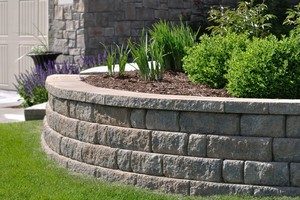
If parts of your yard wash out after summer storms or your slope keeps creeping downhill, you may be a good candidate for retaining walls in Fayetteville. The right wall guides water, holds soil in place, and adds clean curb appeal. If you are weighing your options, you can see what goes into professional retaining wall installation in Fayetteville and decide when it makes sense for your home.
Our area sits in the Sandhills, where sandy topsoil often overlays denser subsoils. Add frequent downpours and hurricane season, and you get fast-moving water that wants to take soil with it. That is why a well-designed wall focuses on structure first and looks second. For an overview of services beyond walls, explore our full landscaping services to see how a wall can pair with plantings, grading, and drainage features.
As you compare ideas, remember that strong design and installation matter more than the face of the block. We built this guide to help you understand the signs you need a wall, the key parts every wall should include, and the local factors that influence success on Fayetteville lots.
For broader landscaping ideas and project inspiration around your home, you can always start with Ground Pounders Landscaping by browsing landscaping in Fayetteville and related services.
Clear Signs You Need a Retaining Wall
Some problems are cosmetic, but others point to bigger slope and water issues. If you see the signs below, a wall can often protect your yard and home foundation.
- Soil or mulch washing onto driveways, sidewalks, or the street after storms
- Visible erosion channels cutting through beds or lawns
- Uneven or sinking pavers, steps, or fence lines near a slope
- Tree roots exposed on hillsides or new cracks forming in nearby concrete
- Yards where usable, level space is limited by a steep grade
In neighborhoods like Haymount, Jack Britt, and parts of Hope Mills, lots can drop off quickly from the back patio. A wall can create a safe, flat terrace for play areas or gardens while keeping runoff under control.
What Every Quality Retaining Wall Should Include
Not all walls are built the same. The features below are the backbone of a stable, long-lasting system.
- Compacted base made of angular gravel for strength and drainage
- Leveling pad set to the correct depth and width for the chosen block or stone
- Staggered courses with proper batter so the wall leans into the slope
- Drainage zone behind the wall filled with clean stone
- Perforated drain pipe, wrapped in fabric, sloped to daylight or a drain basin
- Geogrid reinforcement for taller or loaded walls as specified by design
- Cap units secured per manufacturer recommendations to seal the top
Always include proper drainage behind the wall. Water pressure is the number one reason walls fail. The details above work together to move water away and relieve that pressure before it builds.
Choosing Wall Materials That Fit Fayetteville Yards
You have options. The best pick depends on slope, style, and how you plan to use the space.
Segmental concrete block is a favorite for residential projects because it locks together, drains well, and comes in colors that pair with brick or siding. Natural stone delivers a classic look that blends into wooded lots around areas like Vanstory Hills. Timber can fit rustic settings, but it is more sensitive to moisture and longevity. Your installer should show you samples on site and explain how each option performs with your soil and sun exposure.
Keep the big picture in mind. Walls near patios, fire pits, or lawn areas usually benefit from matching hardscape materials and edging from the broader exterior services category.
How Drainage Behind the Wall Protects Your Investment
Drainage is not an add-on. It is part of the wall. Fayetteville’s heavy summer thunderstorms and tropical systems can drop inches of rain in a few hours. Without a drain rock zone and pipe, that water gets trapped behind the wall and pushes hard on the face.
Do not ignore water pressure. A proper system includes free-draining gravel, filter fabric to keep soil out, and a perforated pipe that exits to daylight or a basin that ties into yard drainage. This setup keeps the backfill dry and stable while giving water a safe path out and away from your home.
Local tip: In the Sandhills, sudden cloudbursts can turn gentle slopes into short-lived streams. Ask your installer to show where the pipe daylights and how overflow will be handled during peak storms.
Good drainage reduces maintenance and helps your landscape recover faster after heavy rain.
Slope Stabilization and Soil Considerations in the Sandhills
Stability starts with knowing what sits under your lawn. The Sandhills mix of sandy topsoil and denser layers means water can travel fast until it hits a tighter layer. That is why walls here often pair with regraded swales or French drains to control the flow.
Steeper slopes or areas supporting driveways, sheds, or parking pads may require geogrid and engineered planning. Your installer should evaluate the slope angle, wall height, and any loads at the top of the wall before finalizing design. If permits or approvals are needed, your contractor will guide you on typical steps, which can vary by height and location.
Local Factors: Weather, Lots, and Neighborhood Considerations
Fayetteville sees hot summers, mild winters, and periodic freeze-thaw swings. Materials that lock and drain well tend to ride out those shifts with less movement. Taller walls near property lines, easements, or city sidewalks may need extra coordination before work begins. Each site is different, especially in established neighborhoods with mature trees and legacy drainage paths.
Think about how you use the space. Adding a seat wall near a grill station in Kings Grant or creating a planting terrace in Arran Lakes can turn a problem slope into a favorite spot. Lighting, steps, and railings can be integrated during design instead of added later.
Professional Design and Installation Process With Ground Pounders Landscaping
A well-built wall follows a clear process from start to finish. Here is how a typical project flows with our team:
We begin with an on-site review to understand water movement, existing grades, and what you want to achieve. Then we propose a design that balances function and style. This includes wall materials, base and backfill details, and any needed reinforcement. You will see how your wall connects with beds, lawn grades, or patios. When helpful, we also outline related improvements through our landscaping services so the whole area works as a system.
Once scheduled, our crew marks utilities, sets elevations, and builds the base. We install the pipe and drainage rock as courses go up, compact backfill in lifts, and set caps clean and level. Final grading directs surface water away from the wall. We walk the site with you to confirm performance and care instructions.
Maintenance Basics To Keep Your Wall Performing
Retaining walls do not need much attention, but a little care goes a long way. Clear leaves from the wall top and keep mulch off the caps so moisture will not linger. Check that the pipe outlet stays open and that nearby downspouts discharge away from the wall.
Landscaping also matters. Add deep-rooted plants above the wall to hold soil, and avoid heavy irrigation that can soak backfill. If you change the grade or add new features near the wall, ask us to review the plan so the wall continues to perform.
When To Repair or Replace a Failing Wall
Small issues can be fixed if caught early. Hairline cracks in caps, a missing block, or a minor depression behind the wall are normal maintenance. Leaning, bulging, or bowing are warning signs that pressure is building or the base has shifted.
If your wall is moving, do not wait. Movement rarely corrects itself, and water pressure only grows during storm season. We can assess whether reinforcement, partial rebuild, or full replacement makes the most sense. Hire a licensed, insured installer to protect your property and ensure the repair follows proven standards.
Putting It All Together: Form, Function, and Lasting Value
A great retaining wall looks simple on the outside and works hard behind the scenes. That means the right material, a strong base, and smart drainage. It also means a design that fits your Fayetteville lot and lifestyle, whether you want a clean modern line near a new patio or a natural stone face that blends with pines and azaleas.
If you are curious how a wall could open up more usable space, see examples and details for retaining wall installation and related upgrades that can shape your yard into a safer, more enjoyable place.
What To Include In Your Project Plan
Before we begin, we help you think through the whole site so the wall works with the rest of your landscape. This quick checklist keeps planning simple:
- Water first. Where will surface water and subsurface water go after storms? How will the pipe daylight?
- Usable space. What size terrace or level area do you want for play, seating, or gardening?
- Material match. Which colors and textures pair best with your brick, siding, or pavers?
- Future add-ons. Will you want steps, lighting, railings, or a second tier later?
Ready To Build? Next Steps for Fayetteville Homeowners
Every yard is unique, and your wall should be too. If you are ready to stabilize a slope, stop erosion, and add level space, reach out to Ground Pounders Landscaping. We will assess your site, explain options in plain language, and show how the design will handle water and support the soil. Call or text us at 910- 476-1060 to schedule a friendly on-site visit.
You can start planning today by exploring a custom retaining wall for your Fayetteville yard and how it fits with your overall landscape plan.